What CCTV Does (and What It Should Do for You)
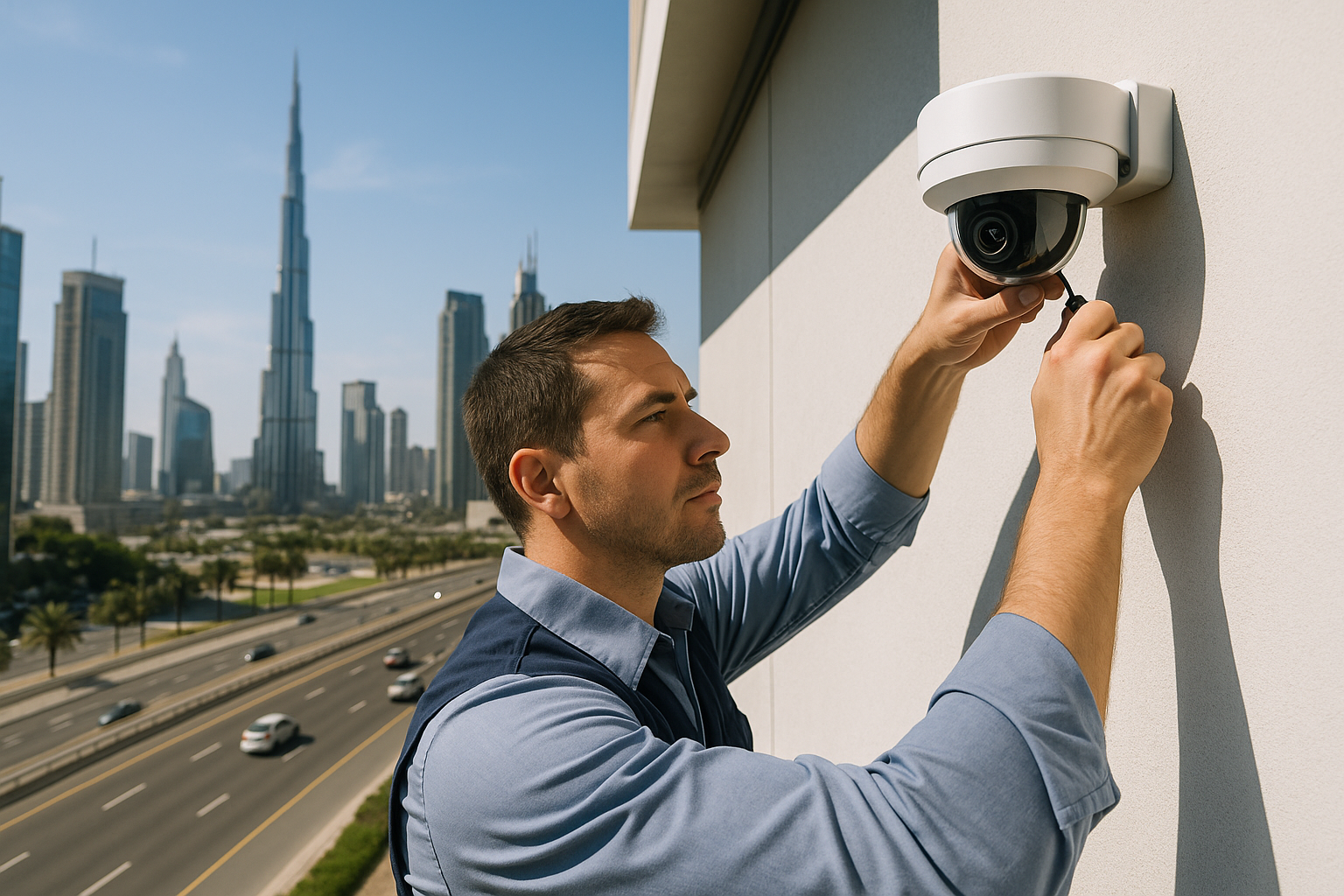
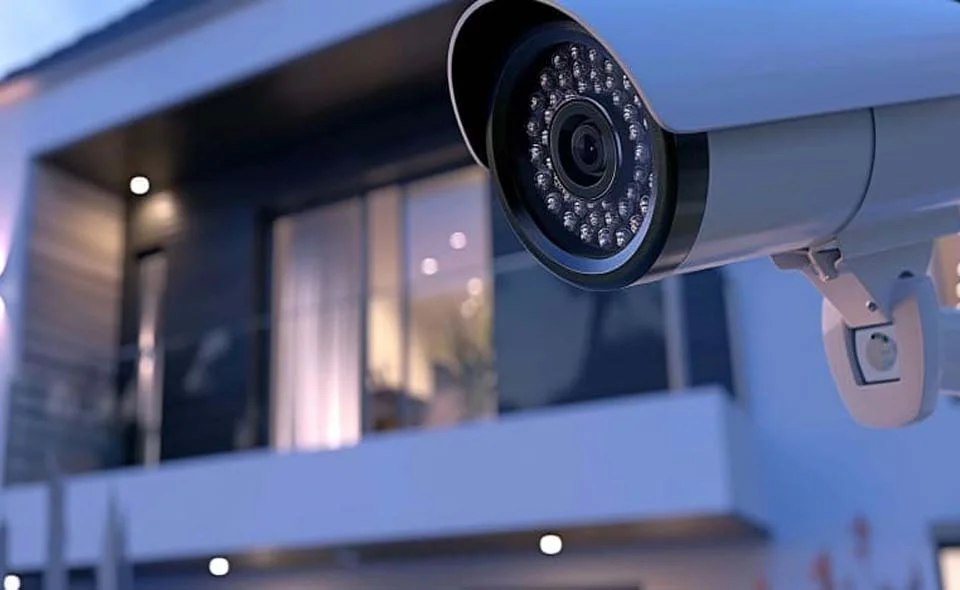
CCTV is used for three main goals: deterrence (stop incidents before they happen), evidence (clear footage that helps identify what happened), and live monitoring (watching a site in real time with alerts). Many sites in Dubai want all three, but the camera choice changes based on which goal is most important.
For example, a retail shop usually needs clear face capture at entrances and counters. A warehouse often needs wide coverage plus strong night performance. A car park needs plate capture and long-range visibility. This is why understanding the types of CCTV systems matters.
The 9 Most Popular Types of CCTV Cameras (Quick List)
If you need a fast summary, these are the most common camera types businesses ask about:
- PTZ (Pan Tilt Zoom)
- Infrared night vision cameras
- Dome cameras
- Bullet cameras
- C-mount cameras
- IP CCTV systems
- Wireless CCTV systems
- Turret cameras
- Fisheye cameras
On top of these, modern sites also use: day and night cameras, HD/4K cameras, and specialist options like thermal, ANPR, multi-sensor, and AI CCTV cameras. This guide covers all of them.
CCTV Camera Types by Functionality
“Functionality” means what the camera can do in real conditions: movement, night performance, smart detection, or all-day stability. Choose functionality first, then decide body style (dome, bullet, turret).
1) Pan Tilt Zoom (PTZ) CCTV
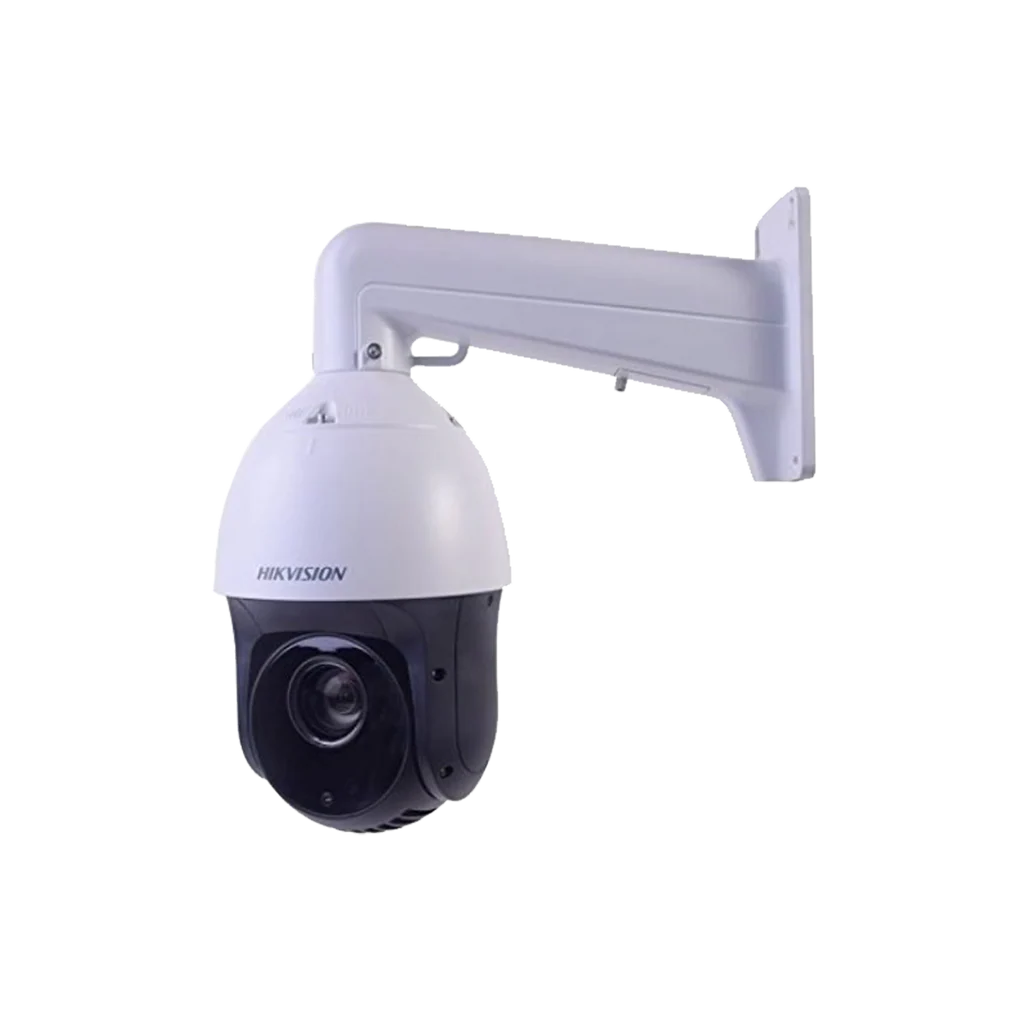
PTZ cameras can pan left/right, tilt up/down, and zoom in/out. They are used when you want one camera to watch a large space and zoom in during incidents. PTZ is common in big yards, parking areas, and wide outdoor locations with “potential blind spots”.
- Best for: large open sites, perimeter watch towers, big parking areas, yards
- Advantages: wide coverage, operator-controlled zoom, can follow movement
- Limitations: if it is looking left, it may miss something on the right; placement and monitoring plan matters
2) Infrared Night Vision Surveillance Cameras
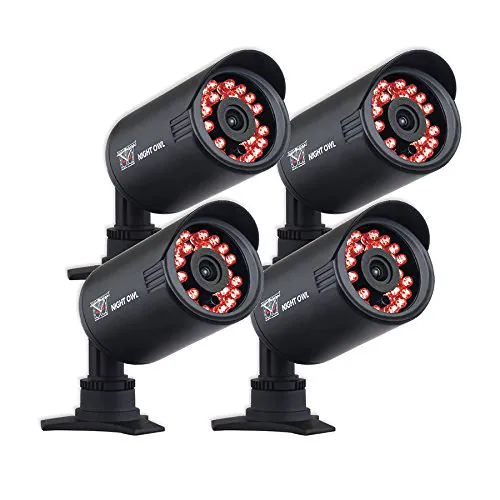
Infrared night vision cameras record in low light or darkness using infrared LEDs. They are popular for sites left unoccupied overnight, warehouses, perimeter walls, and entrances.
- Best for: night security, perimeters, warehouses, gates, corridors
- Advantages: clear footage in darkness, strong deterrence for after-hours incidents
- Limitations: range depends on model; reflective surfaces can sometimes affect clarity
3) Day and Night CCTV Systems
Day and night CCTV systems are built to work across changing light conditions. Instead of relying only on IR, they use imaging design that helps maintain clear video in bright day light and darker evenings. This is a strong option for sites that need 24/7 recording with stable quality.
- Best for: 24/7 sites, entrances that face sunlight, mixed lighting areas
- Advantages: consistent performance across day and night
- Limitations: still needs proper placement to avoid glare and headlight washout
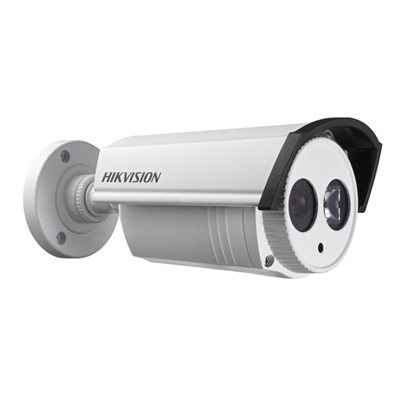
Popular CCTV Camera Type by Body Style
The body style impacts how the camera fits in the space, how visible it is, and how easy it is to aim. The same camera “features” may be available in different bodies.
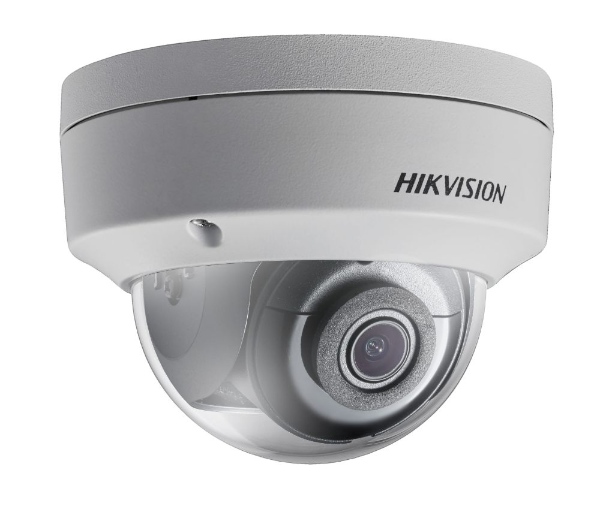
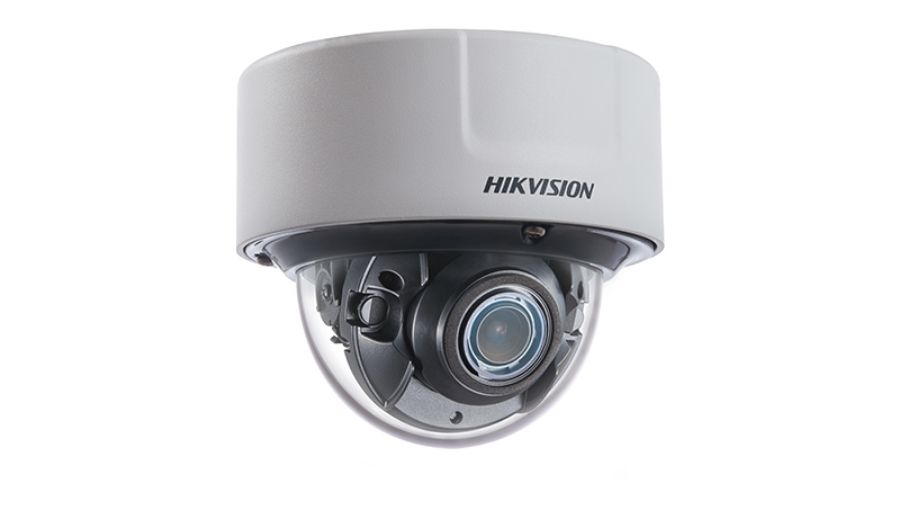
4) Dome CCTV Camera Fixtures
Dome cameras are named for their dome-shaped cover. They look clean, are harder to tamper with, and suit indoor public areas. Many businesses choose dome cameras for reception areas, corridors, shops, and indoor lobbies.
- Best for: indoor areas, retail, reception, corridors
- Advantages: neat appearance, less tampering, wide coverage options
- Limitations: depending on model, glare/reflection can be a concern if installed near glass
5) Bullet CCTV Installations
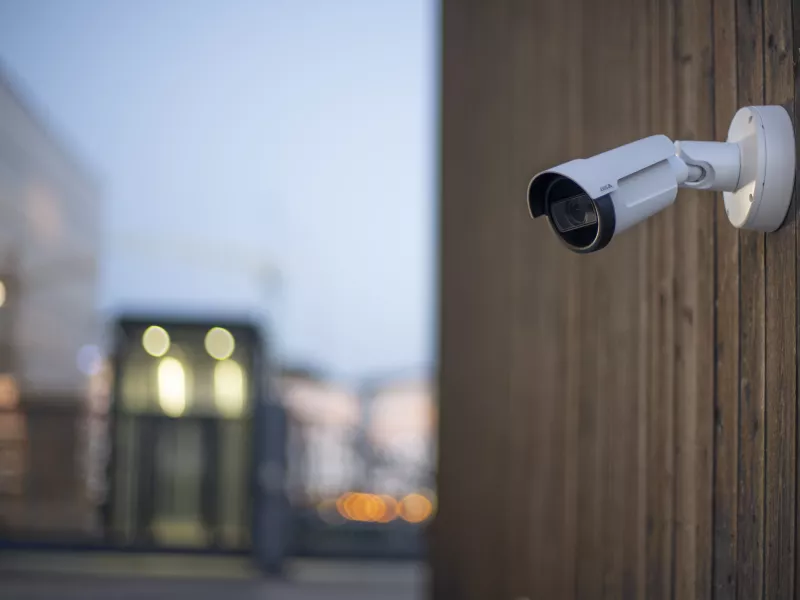
Bullet cameras are the classic “visible CCTV camera”. They are great for outdoor use because they can be weather-resistant and can capture longer distances. Many sites use bullet cameras to clearly show that the area is monitored.
- Best for: outdoor areas, perimeter walls, gates, parking lots, long corridors
- Advantages: visible deterrence, long-range capture, good in tough weather
- Limitations: more noticeable, so placement should avoid easy vandal reach
6) C-Mount Surveillance Cameras
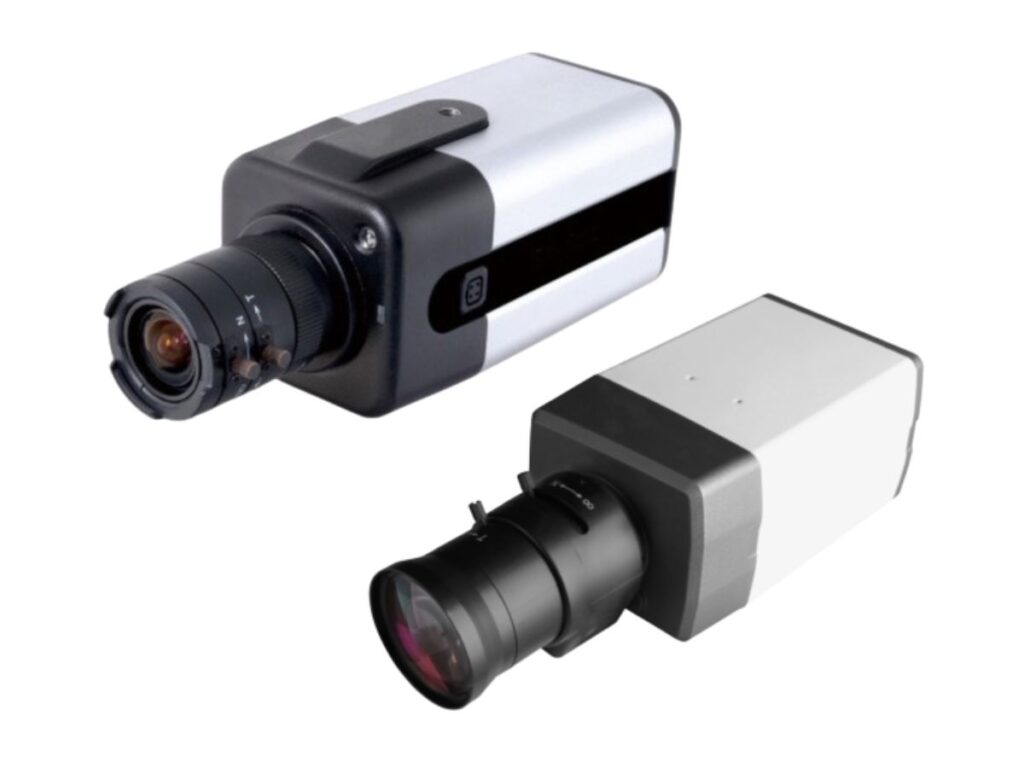
C-mount cameras accept detachable lenses. This allows you to pick lenses based on distance and viewing needs. They are useful when standard fixed lens cameras do not cover your exact requirement.
- Best for: industrial areas, special monitoring points, long distance with lens control
- Advantages: lens flexibility, strong customization
- Limitations: can be bulkier; proper lens selection is critical
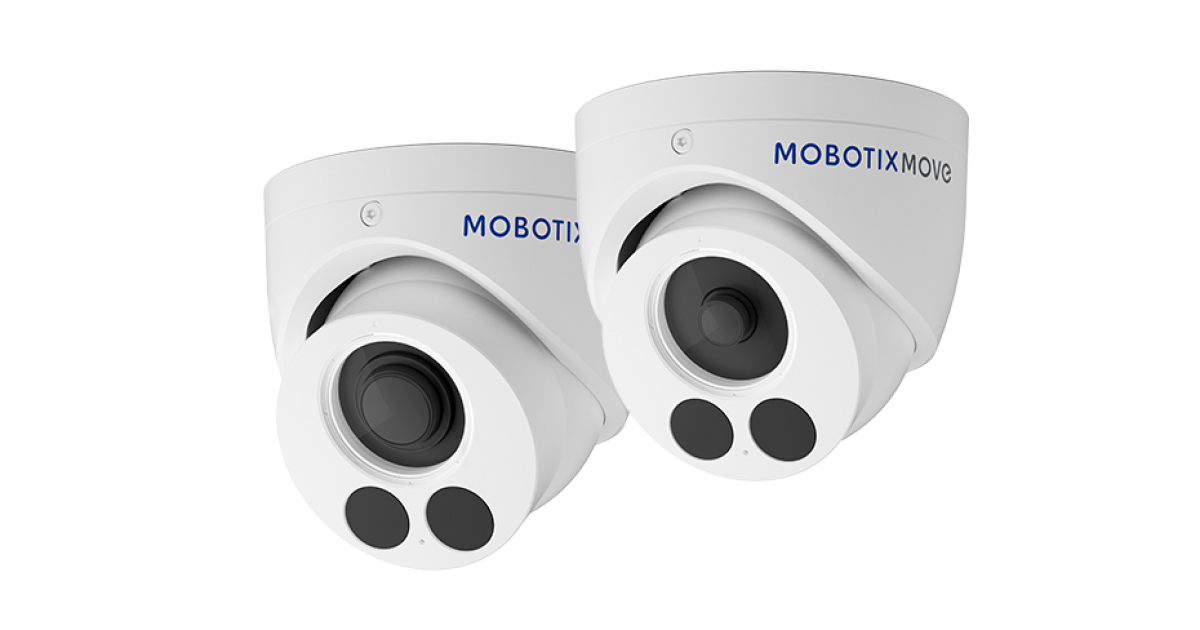
7) Turret Cameras
Turret cameras are compact and easy to position. They are often chosen for entrances and corridors because they are simple to adjust and usually handle glare better than some dome covers. Many turret models include IR and weather resistance.
- Best for: entrances, corridors, retail aisles, indoor + outdoor coverage
- Advantages: easy aim, less reflection, flexible mounting
- Limitations: needs correct mounting height to avoid tampering
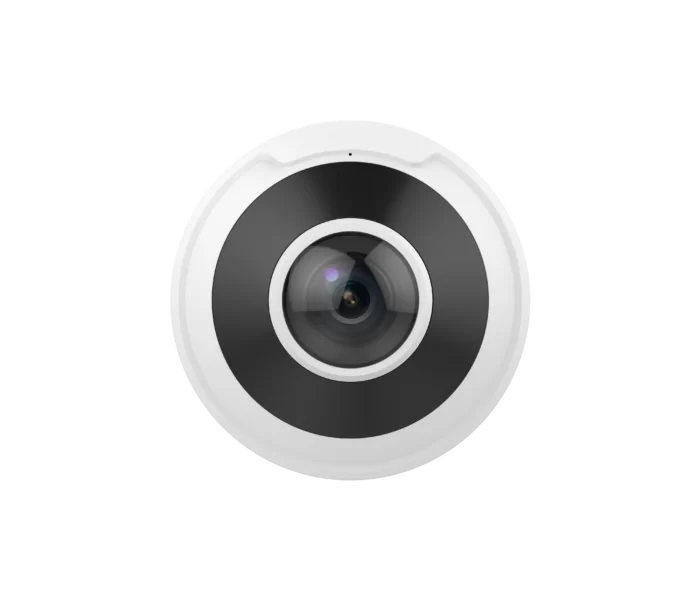
8) Fisheye Cameras
Fisheye cameras use an ultra-wide lens to capture up to 180 or 360 degrees from a single point. They are ideal for large open indoor spaces like reception halls, warehouses, and common areas. Advanced fisheye systems allow digital pan tilt zoom without moving parts.
- Best for: open areas, reception spaces, warehouses, large rooms
- Advantages: wide coverage with fewer cameras, good situational view
- Limitations: wide lenses can show distortion; quality and placement matter
Special Function Camera Options (Advanced CCTV Camera Types)
Some sites have higher risks or special visibility issues. These CCTV camera types go beyond standard recording and are used for stronger detection, vehicle identification, or wide-area clarity.
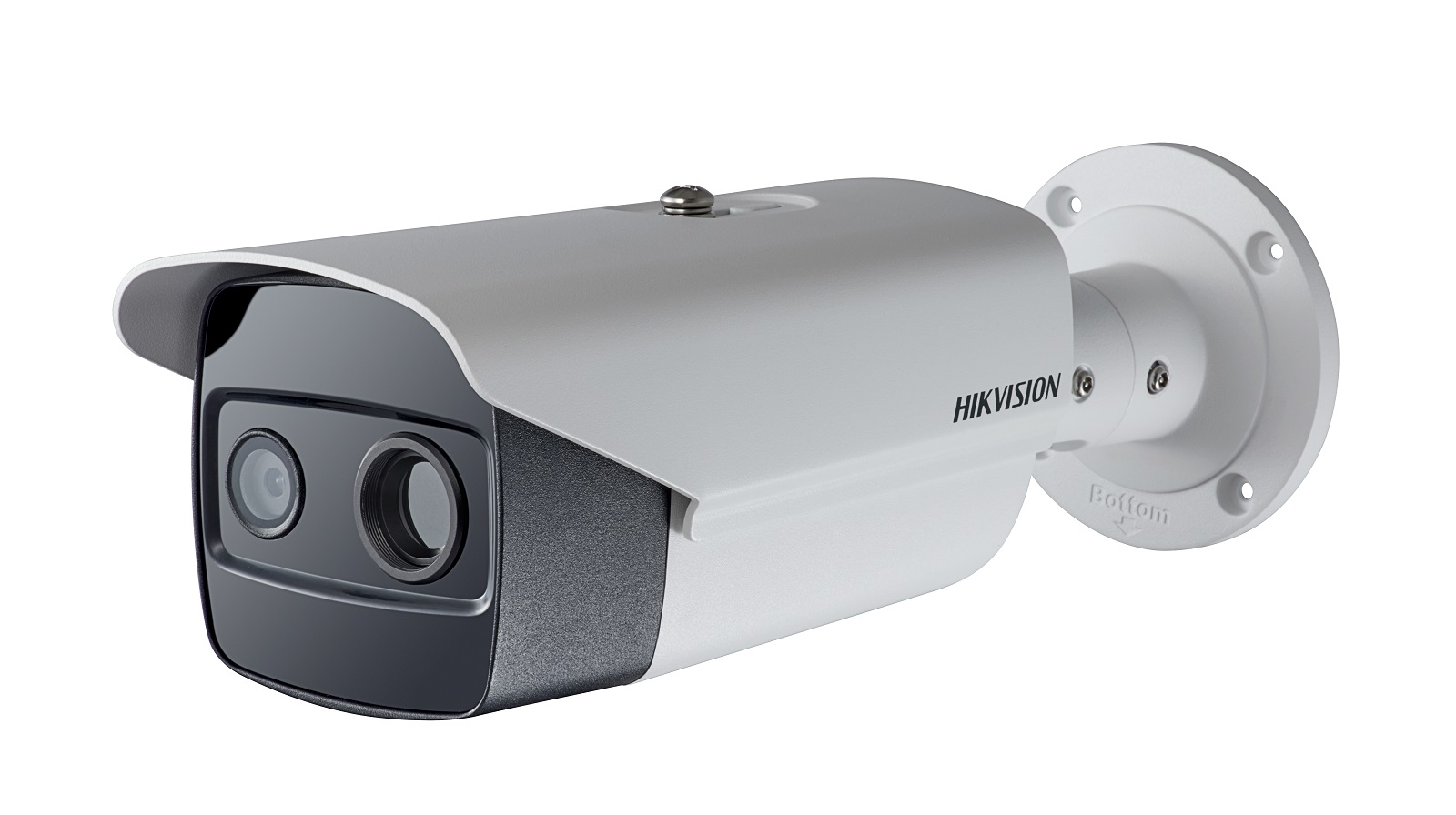
9) Thermal CCTV Cameras
Thermal cameras detect heat rather than visible light. They can identify people and vehicles in complete darkness, fog, smoke, or poor weather. Thermal CCTV is often used for perimeter security and large open areas.
- Best for: perimeters, utilities, industrial facilities, high-risk outdoor zones
- Advantages: strong detection in darkness and poor visibility, hard to evade
- Limitations: thermal is not for face recognition details; it’s for detection and awareness
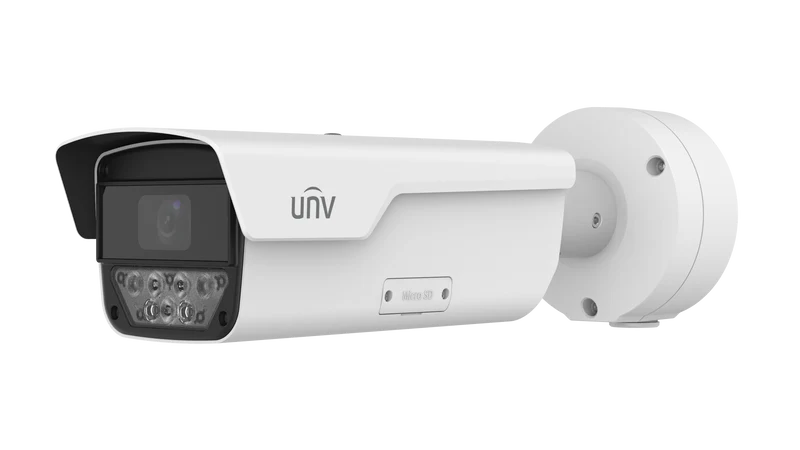
10) ANPR CCTV Cameras (Automatic Number Plate Recognition)
ANPR cameras capture and read number plates in different conditions. They are used at vehicle entry points, gates, parking exits, and logistics hubs. ANPR can also integrate with barriers and access control rules.
- Best for: car parks, gated premises, logistics hubs, residential community entrances
- Advantages: plate capture and logging, can automate vehicle entry
- Limitations: must be installed at correct height and angle; lighting control is important
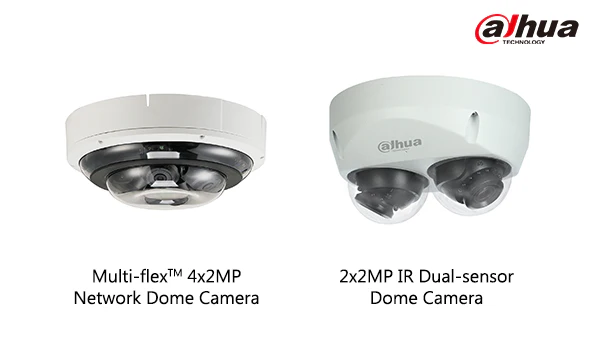
11) Multi-Sensor CCTV Cameras
Multi-sensor cameras have multiple lenses in a single unit. They provide wide coverage with less distortion than a single ultra-wide lens. They are used in warehouses, transport hubs, and big open areas where you want wide coverage but still need clarity.
- Best for: large areas, warehouses, distribution centers, transport hubs
- Advantages: wide coverage with better clarity, can replace multiple standard cameras
- Limitations: higher cost per unit; needs correct mounting and calibration
12) AI CCTV Cameras
AI CCTV cameras use analytics to detect events instead of only recording. They can detect intrusion, loitering, perimeter breaches, dropped objects, vehicle movement, and unusual behavior. The most practical benefit is fewer false alerts caused by shadows, weather, or animals compared to basic motion detection.
- Best for: sites needing real-time alerts, vacant properties, perimeters, construction sites
- Advantages: fewer false alarms, faster response, better event search
- Limitations: analytics must be configured properly to match your site rules
Choosing the Right CCTV Camera Connectivity
After camera type, connectivity decides your reliability and how you access footage. In Dubai, most modern setups are IP-based, but wireless and hybrid designs also exist.
IP CCTV Systems (Network CCTV)
IP CCTV systems connect cameras over a network. They support remote viewing, better image quality, and easier system expansion. Footage is typically stored on an NVR (network video recorder), and can also be backed up depending on your setup.
- Best for: offices, retail chains, warehouses, multi-location sites
- Advantages: scalable, remote access, strong image quality options
- Limitations: needs proper network planning (bandwidth, PoE, VLAN)
Wireless CCTV Cameras
Wireless CCTV is useful when you need faster deployment or when cabling is hard. Wireless still needs strong planning: stable Wi-Fi, proper encryption, and not overloading the network. For mission-critical areas, wired is usually more stable.
- Best for: temporary sites, hard-to-cable areas, quick installations
- Advantages: less cabling work, faster setup
- Limitations: depends on signal quality; interference can affect reliability
HD Surveillance Cameras (HD to 4K)
Image quality is a common regret. Low-cost cameras can give grainy footage that does not help identify faces, actions, or plates. HD and 4K cameras solve that, but the right choice depends on distance and target detail.
- Best for: entrances, counters, high-value areas where identification matters
- Advantages: clearer evidence, better zoom review
- Limitations: higher resolution means more storage and more bandwidth requirements
Comparison Table: CCTV Camera Types (Quick Decision Helper)
| CCTV camera type | Best use | Key strengths | Watch-outs |
|---|---|---|---|
| PTZ | Large areas, yards, parking | Wide coverage + zoom control | May miss events if looking elsewhere |
| Infrared night vision | After-hours security | Works in darkness | Range depends on model |
| Day/night | 24/7 mixed lighting | Stable quality across lighting | Placement still matters |
| Dome | Indoor, retail, reception | Neat look, tamper resistant | Possible glare near glass |
| Bullet | Outdoor perimeter | Deterrence, long range | More visible; protect from vandal reach |
| Turret | Entrances, corridors | Easy to aim, less reflection | Mount high enough |
| C-mount | Special lens needs | Changeable lenses | Lens choice must match distance |
| Fisheye | Open areas | Very wide coverage | Possible distortion |
| Thermal | Perimeter detection | Detect in darkness/fog | Not for face details |
| ANPR | Vehicle entry lanes | Plate capture + logs | Angle/lighting critical |
| Multi-sensor | Large open sites | Wide area + clarity | Higher unit cost |
| AI CCTV | Smart alerts | Fewer false alarms | Needs correct analytics setup |
So, Which Type of CCTV Is Right for You?
Choosing the right CCTV system depends on your environment, risk level, operating hours, and what you need to monitor.
| Application / Environment | Recommended CCTV type | Why this works |
|---|---|---|
| Retail stores and shopping centers | Dome or Turret cameras | Discreet design, wide coverage, reduced glare |
| Offices and commercial buildings | Turret or Dome cameras | Clean appearance and flexible positioning |
| Construction sites | Bullet, Thermal, or AI cameras | Strong night detection and visible deterrence |
| Warehouses and distribution centers | Fisheye or Multi-sensor cameras | Wide-area coverage with fewer blind spots |
| Car parks and vehicle entry points | ANPR + Bullet cameras | Accurate plate capture and long-range coverage |
| Vacant properties | AI, Thermal, or Bullet cameras | Detect real intrusions with fewer false alerts |
| Public spaces and transport hubs | Dome, Fisheye, or Multi-sensor cameras | Tamper resistance and wide monitoring |
| Perimeter fencing | Thermal, AI, or PTZ cameras | Long-range detection and fast response |
| Remote locations | Wireless CCTV systems | Quick deployment without fixed cabling |
| High-risk sites | IP CCTV with AI analytics | Smart alerts and remote monitoring |
What Al Hutaib Does Differently (Practical Dubai Setup)
A camera list is not a CCTV system. Proper CCTV design includes lens choice, angle, storage sizing, and stable power. Al Hutaib handles the full process: site survey, design, installation, testing, and support.
- Site assessment: identify blind spots, lighting problems, and risk points
- Correct camera mix: match each area with the right CCTV camera type
- Clean installation: cabling, labeling, and network planning
- Remote viewing: secure access for managers and security teams
- Integration: connect CCTV with access control systems when needed
FAQs
What are the main types of CCTV systems used in Dubai?
Common types of CCTV systems in Dubai include IP CCTV systems (network cameras), wireless CCTV systems for quick deployment, and HD or 4K setups for clearer footage. Most professional setups use a mix of camera types based on each area.
Which CCTV camera type is best for outdoor security?
Bullet cameras are a common outdoor choice because they provide deterrence and long-range coverage. For higher-risk boundaries, thermal or AI CCTV cameras can improve detection at night and reduce false alerts.
Which CCTV camera type is best for indoor offices?
Dome and turret cameras are popular indoors due to clean looks, clear coverage, and practical placement for entrances and corridors.
Do I need ANPR cameras for my parking area?
If you need plate capture for entry and exit logs, ANPR is the right CCTV camera type. Installation angle and lighting are critical for accurate plate reading.
Is wireless CCTV reliable?
Wireless CCTV can be reliable when designed properly with stable signal, secure setup, and correct bandwidth planning. For critical areas, wired IP CCTV is typically more stable.
Final Thought
The best CCTV setup is the one that fits your environment and risk level. If you want to choose the right types of CCTV systems and the right cctv camera type for each area, Al Hutaib can help you design a system that is clear, reliable, and easy to use.